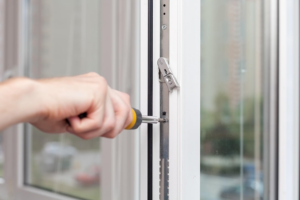
How To Explain Residential Lock Repair To Your Grandparents
Residential Lock Repair: A Comprehensive Guide
Locks are a vital element of home security, offering a barrier in between the security of your home and the outdoors world. With time, locks can wear, breakdown, or end up being damaged, demanding repair or replacement. Understanding the essentials of property lock repair can save you time, money, and the hassle of being locked out. This extensive guide will stroll you through the common problems, repair methods, and preventive procedures to keep your locks in leading condition.
Typical Lock Issues
Before diving into the repair procedure, it's important to determine the common issues that can impact domestic locks. Here are a few of the most regular issues property owners encounter:
- Sticking Locks: A lock that sticks or is difficult to turn can be discouraging and possibly unsafe in an emergency.
- Worn Keys: Over time, keys can use down, resulting in difficulty in unlocking or locking the door.
- Broken Locks: Physical damage, such as a broken lock cylinder or a jammed mechanism, can render a lock unusable.
- Locked Out: Losing your secrets or having a lock that won't open can be a demanding circumstance.
- Weather condition Damage: Exposure to the elements can cause rust, corrosion, and other damage to outdoor locks.
Tools and Materials Needed
Before you begin any lock repair, gather the necessary tools and products. Having these items on hand will make the process smoother and more efficient:
- Screwdriver Set: For removing and reattaching lock elements.
- Lube: Such as graphite powder or silicone spray to lower friction.
- Replacement Parts: If a part is damaged beyond repair, you may need to replace it.
- Flashlight: To see inside the lock mechanism.
- Pliers: For grasping and adjusting little parts.
- New Keys: If your existing keys are worn, you might need new ones.
Step-by-Step Guide to Residential Lock Repair
Recognize the Problem
- Sticking Lock: Check if the lock is jammed or if the key is not turning efficiently.
- Worn Keys: Inspect the key for indications of wear or damage.
- Broken Lock: Look for noticeable damage to the lock mechanism or cylinder.
- Locked Out: Determine if the lock is jammed or if you have lost your secrets.
- Weather Damage: Check for rust, rust, or other indications of environmental damage.
Collect Your Tools
- Ensure you have all the needed tools and products before starting the repair.
Take apart the Lock
- Interior Locks: Use a screwdriver to get rid of the screws holding the lock in place. Thoroughly pull Repair My Windows And Doors from the door.
- Exterior Locks: Remove the screws from the beyond the door and carefully pull the lock out.
Check the Mechanism
- Sticking Lock: Look for any debris or dirt that might be triggering the lock to stick. Utilize a flashlight to examine the internal parts.
- Worn Keys: If the key is worn, it might require to be replaced. Think about having a professional make a brand-new secret.
- Broken Lock: Identify the damaged part and determine if it can be fixed or needs to be replaced.
- Locked Out: If the lock is jammed, attempt utilizing a lubricant to free it. If that doesn't work, you might need to call a locksmith professional.
- Weather condition Damage: Clean the lock with a wire brush to get rid of rust and corrosion. Use a rust inhibitor to avoid further damage.
Clean and Lubricate
- Use a soft fabric to clean up the lock system and eliminate any dirt or particles.
- Apply a lubricant such as graphite powder or silicone spray to the moving parts to lower friction.
Replace Damaged Parts
- If any parts are damaged, replace them with new parts. Guarantee the new parts work with your lock.
Reassemble the Lock
- Carefully reattach the lock to the door, guaranteeing all parts are lined up properly.
- Tighten up the screws to secure the lock in location.
Evaluate the Lock
- Turn the secret to guarantee the lock runs smoothly.
- Examine that the door can be locked and unlocked without any concerns.
Preventive Maintenance
Routine upkeep can assist prevent lock issues and extend the life of your locks. Here are some pointers to keep your locks in good condition:
- Lubricate Regularly: Apply a lubricant to the lock system every few months to keep it moving smoothly.
- Clean the Lock: Wipe down the lock with a soft cloth to remove dirt and debris.
- Inspect for Damage: Regularly inspect the lock for signs of wear or damage.
- Replace Worn Keys: If your keys are used, have actually new ones made to ensure they work properly.
- Safeguard Outdoor Locks: Use weather-resistant locks for exterior doors and apply a rust inhibitor to avoid rust.
Frequently asked questions
Q: How often should I oil my locks?A: It's an excellent concept to oil your locks every 3-6 months, depending upon usage and environmental conditions.
Q: Can I use WD-40 to lubricate my locks?A: While WD-40 can be utilized in a pinch, it's not the very best choice for long-term lubrication. Graphite powder or silicone spray are better choices as they won't draw in dust and dirt.
Q: What should I do if I'm locked out of my home?A: If you're locked out, attempt utilizing a spare key if you have one. If that does not work, consider calling a locksmith professional. Avoid using force, as this can damage the lock.
Q: Can I repair a lock myself, or should I call a professional?A: Simple concerns like a sticking lock can frequently be fixed with basic tools and upkeep. Nevertheless, more intricate issues, such as a damaged lock mechanism, may require the proficiency of an expert locksmith professional.
Q: How can I prevent weather damage to my outside locks?A: Use weather-resistant locks and apply a rust inhibitor to safeguard versus deterioration. Routine cleaning and lubrication can also help.
Residential lock repair is an important ability that can save you money and time while making sure the security of your home. By understanding typical concerns, having the right tools, and following a step-by-step guide, you can deal with most lock issues efficiently. Regular upkeep and preventive steps can likewise assist keep your locks in leading condition, providing peace of mind and security for many years to come.